

Research
We study how enzymes and other macromolecules evolve and work, and how to engineer them. Six themes run through the lab.
Our main project
Where most of the lab's work goes.
-
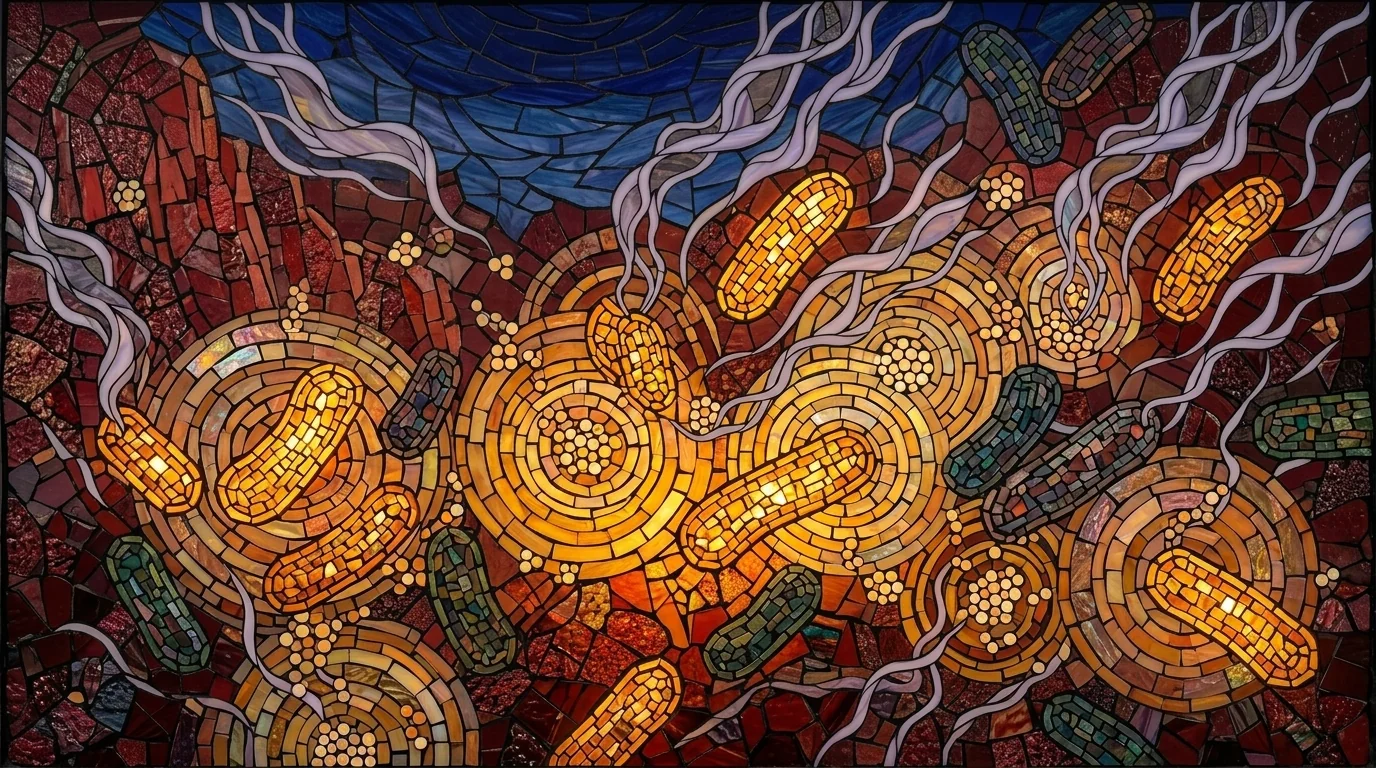
Main project · Quorum sensing and quenching
Hijacking bacterial communication
Bacteria use chemical signalling to exchange information and coordinate behaviors. We develop molecular tools to hijack this communication and study this information flux, a promising way to address microbial resistance.

Key methods
The approaches that run through all our work.
-

Key method · Protein engineering
Writing better enzymes
The lab is engaged in structure-based, combinatorial engineering approaches to improve the activities of lactonases, with applications from anti-virulence plasters and anti-biofouling paints to insecticide decontamination.
-
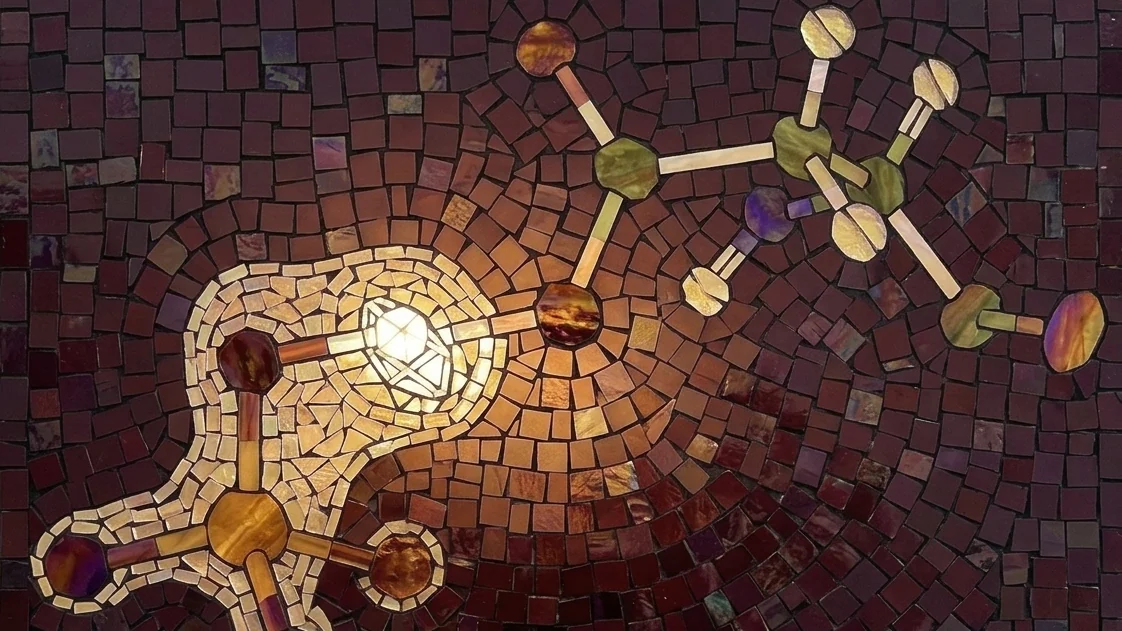
Key method · Structural biology
Seeing enzymes atom by atom
X-ray crystallography shows us enzymes in atomic detail, down to ultra-high, sub-ångström resolution. Structures guide how we engineer enzymes, explain how they recognize their substrates, and reveal how they work.
-
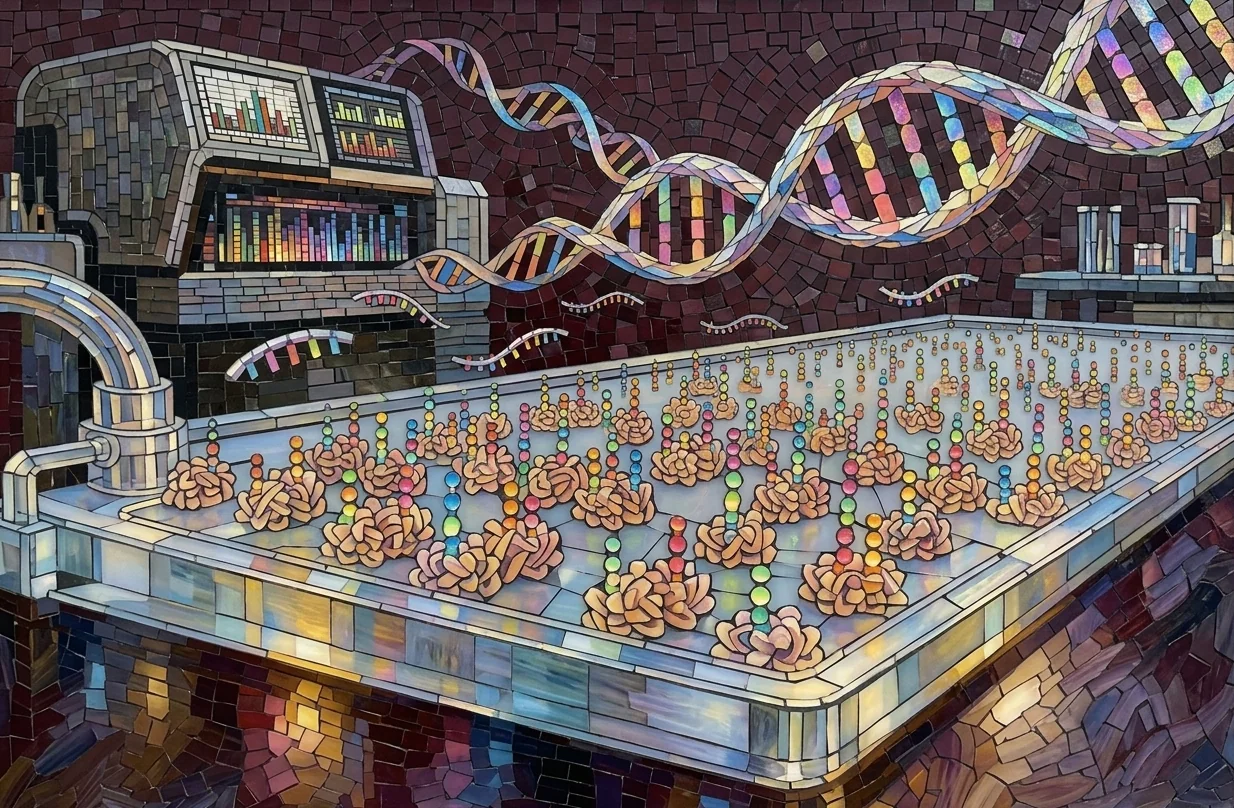
Key method · Multi-omics analysis
Reading whole microbial communities
Over the years, our group has increased its use of sequencing to understand the impact of quorum quenching strategies on microbiomes. It lets us follow whole microbial communities, not just one species at a time.


Past and emerging research interests
Where we have worked before, and where we are looking next.
-

Research interest · Phosphate uptake
Ion transport in microbes
Numerous ions are both essential for life and limiting in natural environments. We investigate the elaborate molecular strategies microbes use to scavenge these essential nutrients from depleted environments while excluding potentially toxic competitors.
-
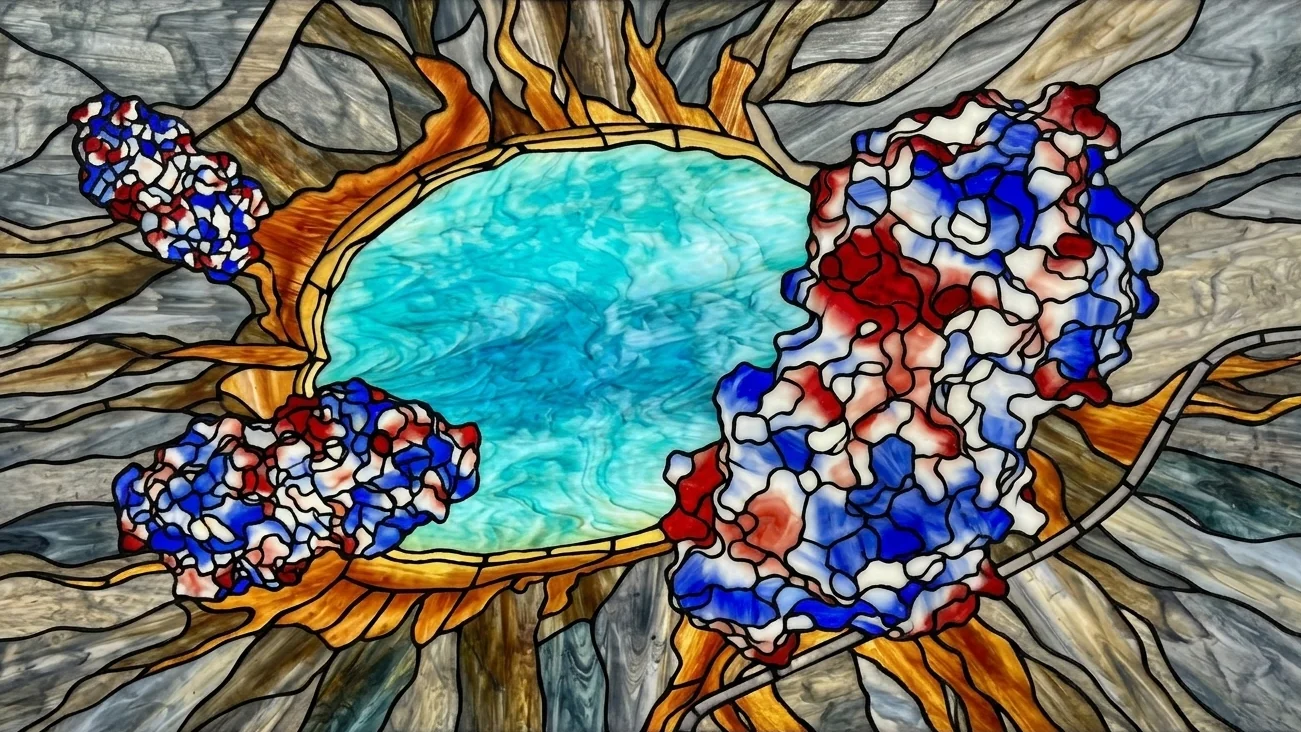
Research interest · Enzymes from extremophiles
Enzymes built to last
Enzymes from microbes that thrive in hot springs, acid, radiation and other extremes are intrinsically stable. That extreme stability makes them easier to study and ready for real-world applications.


About the lab
Biological macromolecules are fantastic objects with nearly unlimited activities and potential. Their use in biotechnology has already changed several segments of industry, including detergents, paper and food, and is expected to revolutionize the medical industry.
Our methods span molecular biology and microbiology, protein engineering, structural biology and bioinformatics.